7 yoga books

I was recently asked at the end of class if I could recommend any yoga books for beginners.

Books are an excellent way to learn and to develop your knowledge so here are 7 recommended books for you.

When I first started yoga I remember supplementing my yoga classes with reading by following advice and following the sequences within a yoga book.  It is highly recommended to study with a teacher in person when possible but reading is a great way to explore and develop your practice.

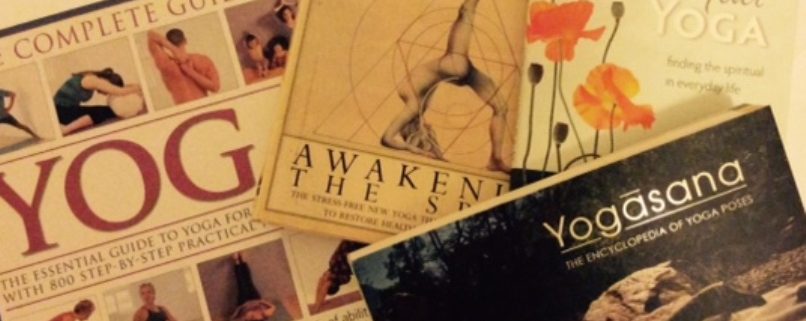
1. The Complete Guide to Yoga by Judy Smith, Doriel Hall, Bel Gibbs

This was one of the very first yoga books that I owned, given to me as a gift by a friend.  This step-by-step guide is a practical, easy to follow book with sequences for everyone.  I liked to dive into this book each morning and get inspiration for my practice particularly as it was all so new to me.   The philosophy and benefits of Iyengar yoga are clearly explained and there is advice on how to begin and what equipment is needed.  There is a chapter on making yoga enjoyable and fun for children.  The guide to meditation is useful giving techniques and tips.

2. The Sivananda Companion to Yoga by Swami Vishnu Devananda

This essential companion for beginners and experienced yoga remains a classic guide to yoga.  The book is an engaging and comprehensive guide to asana, pranayama, meditation, nutrition, relaxation and every aspect of the yogic lifestyle.

Swami Vishnu Devananda trained under Swami Sivananda for many years and one day Swami Sivananda gave him a 10 Rupee Note, and his blessings, to travel to the West and spread the teachings of Yoga.

Living with mind and body relaxed is our natural state, our birthright—it is only the pace of our lives that has made us forget. Those who retain the art possess the key to good health, vitality and peace of mind, for relaxation is a tonic for the whole being, liberating vast resources of energy.” ~ Swami Vishnu Devananda

3. Light On Yoga by B.K.S. Iyengar

B.K.S. Iyengar devoted his life to the practice and study of yoga.  ‘Light on Yoga’ is widely called ‘the bible of yoga’ and has served as the source book for generations of yoga students around the world. It is the classic text for all serious students of yoga.

This classic yoga book gives emphasis on precision and alignment which is important for developing a safe foundation for your practice.  The book includes step-by-step yoga asana guides; a guide to Pranayama, breathing techniques; and an introduction to the spiritual side of yoga practice.

4. Yogasana – Encyclopedia of Yoga Poses by Yogirishi Vishvketu, PhD

This fantastic book presents 850 yoga asanas in a logical sequence enabling the reader to understand the variations for each posture.  The Sanskrit translations allow you to understand the relationship between the name and the spiritual significance of each pose.  Detail regarding the energetic essence of each asana is included through the use of a chakra chart and graphic icons for each pose.

Presented in a clear way which allows you to creatively explore your practice whilst maintaining a safe home practice.

5. Awakening the Spine by Vanda Scaravelli

For more than twenty-five years, until her death at the age of 91, Vanda Scaravelli was transforming bodies and lives with her innovative approach to yoga through the proper alignment of the spine. She listened to the body and worked with instead of against it. She used gravity, grounding, and breath to achieve dramatic improvements in health and wellbeing.  Scaravelli was an early student of Iyengar.

This is not a step-by-step yoga instruction book but a classic inspiring yoga book.  The book features three parts – Part One “The Story of Stories” the philosophy of yoga; Part Two “The Asanas” short exploration of yoga asana and Part Three “Breathing”.

It is inspiring to see the photos of Scaravelli in the Asana section, showing that yoga is for everyone.  She didn’t start yoga until her 40s and the photos in the book are taken in her 80s.  This book is an inspirational reminder as to why you are doing yoga.

Scaravelli reminds readers that: “if you are kind to your body, it will respond in an incredible way.” “Awakening the Spine” offers a gentle way to achieve and maintain overall health and a naturally supple spine at any age.

6. Living Your Yoga: finding the spiritual in everyday life by Judith Hanson Lasater, PhD

I’ve included this book as it examines ways to stretch the meaning of yoga beyond the familiar poses and breathing techniques.  This book explores yoga philosophy and ways to incorporate it into our everyday life.  Judith explains off-the-mat practices to guide you in deepening your relationship with yourself, your family and the world around you.

This inspirational and practical book will guide you in a warm and personal way. Covering topics such as Courage, Relaxation, Compassion, Fear, Empathy, Greed, Truth and many more.  The book includes practice suggestions and daily mantras for each topic.

7. The Breathing Book by Donna Farhi

Breathwork is an important part of Yoga and our overall wellbeing.  This is an easy to read book with step-by-step guides for remembering and re-learning our breath.  The book includes concise information and diagrams relating to the anatomy of breathing and suggested practices for various health issues such as back pain, tiredness, asthma and help to build stamina.

Easy to understand and beneficial for all yogis and non-yogis alike!

This list gives you a taster of yoga books available for beginners.  I hope that it gives you some inspiration.  Why not explore further the wealth of yoga books available to us.  Happy reading!

The reasons people choose to go on a yoga retreat are many but here are some of the popular reasons:

  • Deepen your practice

And you? When will you begin that long journey into yourself?” ~ Rumi

Developing your practice can be challenging especially when you have a busy life and schedule.  Being on retreat gives you the chance to attend 2 classes per day, you will notice the progress and the positive effect this is having.  Distractions are limited so you can be sure that you fully focus.

I have had the honour to teach retreat guests who have only ever attended one yoga class before going on retreat choosing a retreat setting to begin to explore their practice, through to the more experienced yogi who seeks the space to focus more intensely.

  • Create a new perspective

The trees, the flowers, the plants grow in silence. The stars, the sun, the moon move in silence. Silence gives us a new perspective” ~ Mother Teresa

We all benefit from going to a new place, seeing the world and ourselves through different eyes.  You will have time to contemplate, to review what is out of balance and where you need to action change in your life.  This safe space will allow you to grow and learn.

  • Navigate life changes

It’s a good idea always to do something relaxing prior to making an important decision in your life” ~ Paulo Coelho, The Pilgrimage

Life is in constant change, some of which can be challenging.  A retreat allows you to step outside of your everyday life, to gain deeper understanding and create clarity.

It may be that you consciously decide to attend a retreat in order to work through change in your life or the outcome of a relaxing retreat may be a new perspective which leads to change.

I know for me personally, attending yoga retreats has enabled me to make big life changing decisions, to feel supported in that space and to know that I had the courage to make the changes I was being called to make.

  • Time to meditate

In meditation we return to where we already are – this shifting, changing ever-present now
If you wish to take up meditation, it must be now or never.” ~ Steve Hagen, Meditation Now or Never

You will be away from distractions, feel relaxed and ‘in the moment’ leading to a peaceful space in which to develop your meditation practice.  This is a perfect time to develop new habits.

  •  Take a digital detox

Spending the majority of our waking lives experiencing reality through a screen, endlessly plugged into our devices, is taking its toll… and we’re realising it’s not the answer. The era of burnout, multi-tasking, tech dependence, fatigue, ‘social media everything’ and information overload is coming to a close” ~ thedigitaldetox.org

By switching off your technology you can find space and balance.  You can evaluate your relationship with technology and develop a more balanced approach.  Understand that you can press pause, reconnect with yourself and those around you, saviour your life experiences and feel recharged.

  • Rest and Relax 

Turn off your mind, relax, and float downstream”  ~ John Lennon

On retreat you have the permission to fully relax.  You can tune into your body, rest when you need it, allow your body and mind to de-stress.  You are free to replenish as you wish, you are free from demands.

  • Eat well

Let food be thy medicine, thy medicine shall be thy food” ~ Hippocrates

All of the hard work is done for you, you will enjoy nutritious and delicious meals.  It is an opportunity to review unhealthy habits and to develop new behaviours.   Healthy food, yoga and rest will re-energise your batteries and assist the body’s healing process.

  • Make new friends. 

Every person needs a time out, away from stressful jobs, pressures from employers or clients, home responsibilities….  Everyone deserves to enjoy, visit unknown places, try other things, meet a lot of new friends, and feel at the top of the world. Life is full of fun, excitement, and adventure. Thus, vacation is an experience that’s worth remembering for a lifetime. It heals a weary mind and soul”  ~ Alon Calinao Dy

You may travel as a group or solo but it is guaranteed that you will meet like minded people on retreat.  Retreats are perfect if you are travelling alone, you have the choice to spend time with others or enjoy your own space if you wish.

I have met lifelong friends on retreat including my Aloha Yoga collaborator, Jackie Dorrian.

 “Little did we know that 4 years after meeting on a Yoga Retreat in Kerala that our lives would be completely different and we would be working together to deliver “Aloha Yoga Retreats and Workshops”. Whilst we teach different yoga styles and our therapies are from different parts of the world, we have common aims and our work complements each other.  We have some exciting plans in the pipeline including a Summer Retreat on Dartmoor, Music Festivals and a Retreat in Spain.” explains Jackie.

  •  Who needs any more reasons? 

Seriously no-one needs to justify going on a yoga retreat.  Why not book a retreat and experience the benefits for yourself!

 “This is my first yoga retreat experience, and it has been simply wonderful. Super location, fabulous company, great food and beautiful guided meditation and yoga. Opened my eyes to new possibilities and practices. Amazing. Peace and Love” ~ Aloha Yoga Retreat 2013 Guest


Here’s the latest recipe which I made for last Saturday’s Yoga Nidra workshop.  A really tasty, healthy snack and as it is raw chocolate they are fairly rich so you do not need too many to enjoy the taste!

We all know how powerful chocolate can be particularly from our intuitive emotional response to it.  Here are a few chocolate facts which further explain our natural response to the pleasure of chocolate…

  • Chocolate contains over 300 chemicals including a vast range of vitamins and minerals (calcium, iron, potassium and magnesium).  It contains phenylethylamine which is released naturally in the body when you fall in love and is also considered to be an aphrodisiac.
  • The smell of chocolate promotes relaxation, it significantly reduces theta activity in the brain which is associated with relaxation.  (Source: International Journal of Psychophysiology, 1998).
  • Chocolate also contains dopamine which is a natural painkiller. Serotonin which is found in chocolate produces feelings of pleasure. Chocolate has over 400 distinct smells.  A rose has only fourteen and an onion just six or seven.
  • A cup of hot cocoa (using pure cocoa powder) has more than double the amount of antioxidants as green tea and four to five times more than black tea. (Source: Journal of Agriculture and Food Chemistry, 2003).

Ingredients:
1 cup of cashews blended until smooth (or you can cheat as I did and buy cashew butter)
2 tablespoons of honey
1 tsp vanilla extract
8 dates (pitted and soaked for at least 4 hours or you may wish to buy chopped dates)
2 tablespoons raw cacao powder (raw chocolate)
1 cup of desiccated coconut for coating

Place all of the ingredients,except for coconut, into a mixer and mix until smooth.  With your hands roll the mixture into small balls.  Then pour the desiccated coconut onto a chopping board and roll the balls in it to top.  Place the balls on a plate and refridgerate until hard.

Tips:
Raw cacao powder and cashew butter can be found at your local health food store.

Make a batch and keep them in the fridge, they make a tasty snack across the week and saves eating too much processed chocolate!


My yoga students raised some very good questions at class last night regarding breathing.  Why do we get into bad habits? When do we go from breathing properly to taking on these bad habits? What is the proper way to breath? How should it feel in the body?

As I prepared to write this post on the subject of breathing, I came across this comprehensive and useful article.  I thought it would be beneficial to share this informative piece covering the importance of oxygen, the importance of breathing properly, the problem with fast and shallow breathing, the importance of breathing through the nose.

The Importance of Breathing

Breathing is important for two reasons. It is the only means to supply our bodies and its various organs with the supply of oxygen which is vital for our survival. The second function of breathing is that it is one means to get rid of waste products and toxins from the body.

Why Is Oxygen So Vital?

Oxygen is the most vital nutrient for our bodies. It is essential for the integrity of the brain, nerves, glands and internal organs. We can do without food for weeks and without water for days, but without oxygen, we will die within a few minutes. If the brain does not gets proper supply of this essential nutrient, it will result in the degradation of all vital organs in the body.

The brain requires more oxygen than any other organ. If it doesn’t get enough, the result is mental sluggishness, negative thoughts and depression and, eventually, vision and hearing decline. Old people and those whose arteries are clogged often become senile and vague because oxygen to the brain is reduced. They get irritated very quickly.

Poor oxygen supply affects all parts of the body. The oxygen supply is reduced to all parts of the body as we get older due to poor lifestyle. Many people need reading glasses and suffer hearing decline in old age.

When an acute circulation blockage deprives the heart of oxygen, a heart attack is the result. If this occurs to the brain, the result is a stroke.

For a long time, lack of oxygen has been considered a major cause of cancer. Even as far back as 1947, work done in Germany showed that when oxygen was withdrawn, normal body cells could turn into cancer cells.

Similar research has been done with heart disease. It showed that lack of oxygen is a major cause of heart disease, stroke and cancer. The work done at Baylor University in the USA has shown that you can reverse arterial disease in monkeys by infusing oxygen into the diseased arteries.

Thus, oxygen is very critical to our well-being, and any effort to increase the supply of oxygen to our body and especially to the brain will pay rich dividends. Yogis realised the vital importance of an adequate oxygen supply thousands of years ago. They developed and perfected various breathing techniques. These breathing exercises are particularly important for people who have sedentary jobs and spend most of the day in offices. Their brains are oxygen starved and their bodies are just ‘getting by’. They feel tired, nervous and irritable and are not very productive. On top of that, they sleep badly at night, so they get a bad start to the next day continuing the cycle. This situation also lowers their immune system, making them susceptible to catching colds, flu and other ‘bugs’.

Oxygen Purifies the Blood Stream

One of the major secrets of vitality and rejuvenation is a purified blood stream. The quickest and most effective way to purify the blood stream is by taking in extra supplies of oxygen from the air we breathe. The breathing exercises described in here are the most effective methods ever devised for saturating the blood with extra oxygen.

Oxygen burns up the waste products (toxins) in the body, as well as recharging the body’s batteries (the solar plexus). In fact, most of our energy requirements come not from food but from the air we breathe.

By purifying the blood stream, every part of the body benefits, as well as the mind. Your complexion will become clearer and brighter and wrinkles will begin to fade away. In short, rejuvenation will start to occur.

Medical Science Verifies Oxygen’s Importance

Scientists have discovered that the chemical basis of energy production in the body is a chemical called Adenosine Triphosphate (ATP). If something goes wrong with the production of ATP, the result is lowered vitality, disease and premature ageing.

Scientists have also discovered that oxygen is critical for the production of ATP; in fact, it is its most vital component.

Yoga permits us to tap into this vital nutrient.

Importance of Healthy Breathing

We know how to breathe. It is something that occurs to us automatically, spontaneously, naturally. We are breathing even when we are not aware of it. So it seems foolish to think that one can be told how to breathe. Yet, one’s breathing becomes modified and restricted in various ways, not just momentarily, but habitually. We develop unhealthy habits without being aware of it. We tend to assume positions (slouched positions) that diminishes lung capacities and take shortened breaths. We also live in social conditions that is not good for the health of our respiratory system.

As discussed above, scientists have known for a long time that there exists a strong connection between respiration and mental states. Improper breathing produces diminished mental ability. The corollary is true also. It is known that mental tensions produce restricted breathing.

A normally sedentary person, when confronted with a perplexing problem, tends to lean forward, draw his arms together, and bend his head down. All these body postures results in reduced lung capacity. The more intense the concentration, the more tense the muscles become. The muscles in the arms, neck and chest contract. The muscles that move the thorax and control inhalation and muscular tenseness clamp down and restrict the exhalation. The breaths become shorter and shorter. After an extended period of intense focusing, the whole system seems to be frozen in a certain posture.

We become fatigued from the decreased circulation of the blood and from the decreased availability of oxygen for the blood because we have almost stopped breathing. As our duties, responsibilities and their attendant problems become more demanding, we develop habits of forgetting to breathe.

Try an experiment suggested by Swami Vishnudevananda. Focus attention upon the ticks of a clock placed at a distance of about twelve feet. If you get distracted, try concentrating harder until you experience the ticking with undivided attention. If you fail at first, you should try again and again until you succeed in keeping the ticking clearly in mind for at least a few seconds. What happened? The majority of persons who took part in this experiment reported that they have completely suspended the breath. The others, who had less concentration, reported that they experienced very slow breathing. This experiment shows clearly that where there is concentration of the mind, the breathing becomes very slow or even get suspended temporarily.

What’s Wrong With The Way We Breathe?

Our breathing is too shallow and too quick. We are not taking in sufficient oxygen and we are not eliminating sufficient carbon dioxide.  As a result, our bodies are oxygen starved, and a toxic build-up occurs. Every cell in the body requires oxygen and our level of vitality is just a product of the health of all the cells.

Shallow breathing does not exercise the lungs enough, so they lose some of their function, causing a further reduction in vitality.

Animals which breathe slowly live the longest; the elephant is a good example.

We need to breathe more slowly and deeply. Quick shallow breathing results in oxygen starvation which leads to reduced vitality, premature ageing, poor immune system and a myriad of other factors.

Our Breath – Fast and Shallow?

There are several reasons for this. The major reasons are:

  1. We are in a hurry most of the time. Our movements and breathing follow this pattern.
  2. The increasing stress of modern living makes us breathe more quickly and less deeply.
  3. We get too emotional too easily. We get excited easily, angry easily, and most of the rest of the time we suffer from anxiety due to worry. These negative emotional states affect the rate of breathing, causing it to be fast and shallow.
  4. Modern technology and automation reduces our need for physical activity. There is less need to breathe deeply, so we develop the shallow breathing habit.
  5. We are working indoors more and more. This increases our exposure to pollution. As a result, the body instinctively inhales less air to protect itself from pollution. The body just takes in enough air to tick over.

As we go through life, these bad breathing habits we picked up become part of our life. Unless we do something to reverse these habits, we can suffer permanent problems. The good news is that these are reversible. The bad news is that before we can change these habits, we should recognise and accept that our behavior needs to be changed. This means that we see for ourselves the benefits of good breathing techniques.

Certainly, yoga is not the only way to cope with the stress and the resultant drop in oxygen supply to the brain brought on by the constricted breathing. A coffee break, a trip to the restroom or a good laugh may all result in some readjustment of constricted breathing patterns. These can be thought of as “mini-yogas”. We can benefit by taking or seeking more breaks, trips or jokes. But for those whose occupations continue to be highly stressful, something more will be needed. Deep breathing exercises and stretching of muscles, especially those primarily concerned with controlling inhaling and exhaling, should be sought. Participation in active sports also will be useful. Going for a walk is very good. For those experiencing restricted breathing at night, morning exercises should be actively pursued.

The Effects of Shallow Breathing

  1. Reduced vitality, since oxygen is essential for the production of energy in the body.
  2. Increased disease. Our resistance to disease is reduced, since oxygen is essential for healthy cells. This means we catch more colds and develop other ailments more easily. Lack of sufficient oxygen to the cells is a major contributing factor in cancer, heart disease and strokes.

With our ‘normal’ sedentary way of living, we only use about one tenth of our total lung capacity. This is sufficient to survive and just tick over, but not sufficient for a high vitality level, long life and high resistance to disease.

The ancient yogis knew the importance of correct breathing and developed techniques not only to increase health and life span, but also to attain superconscious states.

The Medical Viewpoint on Fast, Shallow Breathing

Modem science agrees with the ancient yogis on the subject of shallow breathing. An editorial in the Journal of the Royal Society of Medicine suggested that fast, shallow breathing can cause fatigue, sleep disorders, anxiety, stomach upsets, heart bum, gas, muscle cramps, dizziness, visual problems, chest pain and heart palpitations.

Scientists have also found that a lot of people who believe they have heart disease are really suffering from improper breathing.

Importance of Breathing Through The Nose

The first rule for correct breathing is that we should breathe through the nose. This may seem obvious, but many people breathe principally through the mouth. Mouth breathing can adversely affect the development of the thyroid gland. It can affect the mental development of children.

The nose has various defense mechanisms to prevent impurities and excessively cold air entering the body. At the entrance to the nose, a screen of hairs traps dust, tiny insects and other particles that may injure the lungs if you breathe through the mouth. After the entrance of the nose, there is a long winding passage lined with mucus membranes, where excessively cool air is warmed and very fine dust particles that escaped the hair screen are caught. Next, in the inner nose are glands which fight off any bacilli which have slipped through the other defenses. The inner nose also contains the olfactory organ-our sense of smell. This detects any poisonous gases around that may injure our health.

The yogis believe that the olfactory organ has another function: the absorption of prana from the air. If you breathe through the mouth all the time, as many people do, you are cheating yourself of all this free energy (prana). The yogis say this is a major factor in lowered resistance to disease and impairs the functioning of your vital glands and nervous system. Add to this the fact that pathogens can enter the lungs via mouth breathing, and you can see that it’s impossible to be healthy, not to mention vital, if you breathe through the mouth.

It is easy to break the habit of breathing through the mouth. Just keep your mouth closed and you will automatically breathe through your nose!

Summary: Benefits of Deep Breathing

We will now summarise the benefits of deep breathing. Deep breathing produces the following benefits:

  1. Improvement in the quality of the blood due to its increased oxygenation in the lungs. This aids in the elimination of toxins from the system.
  2. Increase in the digestion and assimilation of food. The digestive organs such as the stomach receive more oxygen, and hence operates more efficiently. The digestion is further enhanced by the fact that the food is oxygenated more.
  3. Improvement in the health of the nervous system, including the brain, spinal cord, nerve centres and nerves. This is due again to the increased oxygenation and hence nourishment of the nervous system. This improves the health of the whole body, since the nervous system communicates to all parts of the body.
  4. Rejuvenation of the glands, especially the pituitary and pineal glands. The brain has a special affinity for oxygen, requiring three times more oxygen than does the rest of the body. This has far-reaching effects on our well being.
  5. Rejuvenation of the skin. The skin becomes smoother and a reduction of facial wrinkles occurs.
  6. The movements of the diaphragm during the deep breathing exercise massage the abdominal organs – the stomach, small intestine, liver and pancreas. The upper movement of the diaphragm also massages the heart. This stimulates the blood circulation in these organs.
  7. The lungs become healthy and powerful, a good insurance against respiratory problems.
  8. Deep, slow, yoga breathing reduces the work load for the heart. The result is a more efficient, stronger heart that operates better and lasts longer. It also mean reduced blood pressure and less heart disease.
    Yoga breathing exercises reduce the work load on the heart in two ways. Firstly, deep breathing leads to more efficient lungs, which means more oxygen is brought into contact with blood sent to the lungs by the heart. So, the heart doesn’t have to work as hard to deliver oxygen to the tissues. Secondly, deep breathing leads to a greater pressure differential in the lungs, which leads to an increase in the circulation, thus resting the heart a little.
  9. Deep, slow breathing assists in weight control. If you are overweight, the extra oxygen burns up the excess fat more efficiently. If you are underweight, the extra oxygen feeds the starving tissues and glands. In other words, yoga tends to produce the ideal weight for you.
  10. Relaxation of the mind and body. Slow, deep, rhythmic breathing causes a reflex stimulation of the parasympathetic nervous system, which results in a reduction in the heart rate and relaxation of the muscles. These two factors cause a reflex relaxation of the mind, since the mind and body are very interdependent. In addition, oxygenation of the brain tends to normalise brain function, reducing excessive anxiety levels.

Breathing exercises cause an increase in the elasticity of the lungs and rib cage. This creates an increased breathing capacity all day, not just during the actual exercise period. This means all the above benefits also occur all day.

Article courtesy of HolisticOnline.com

I love it when students ask me questions, hopefully I can open the door to a greater understanding of yoga.  Questions help to keep my ideas fresh and prompt me to look at things from a different perspective.   Obviously I will not know the answer to every question but I will seek out answers so that we can all learn and grow.

I would say that the most common question I get asked is how to practice at home and how to develop a self-practice.

Here are a few tips to help you develop your self-practice:

Create the time – My advice would be to introduce say 5 – 10 minutes of practice to your day preferably at a regular time.  It is helpful to get into a regular pattern, for me I prefer first thing in the morning.  This means that I have created the space in my day, things don’t always go to plan in the day so I find if I practice first thing problems during the day do not affect my practice.  Start with 5-10 mins, you will notice the difference to your wellbeing fairly quickly and you will have no excuses to free up this time in your busy day.  You will find over time 10 minutes will expand into 30 minutes and then into one hour.

One thing I learnt at the Sivananda Ashram was that I waste a lot of time in my life.  At the Ashram we had a fairly hectic schedule with barely 5 minutes to spare but I learnt to use those fleeting spare moments to do my hand washing, to fit in some extra study, to enjoy the gardens, to have some time to reflect.  I am sure that if you look at your life there will be somewhere that you can save some time to create this space for you.

Keep it simple – Start by introducing Surya Namaskara (Sun Salutations) into your day.  I know when I started to deepen my practice many years ago, I realised that a daily practice made me feel so much better, more centred and more alive but I was inconsistent.  Keep it simple and develop your practice over time.  Nothing is ever perfect so try not to expect your practice to be “perfect”.  You will be surprised by how much you already know.  Have fun and experiment with your practice.

Listen to your body and heart – Develop your self-awareness,  may be you get on your mat and do not feel like focussing on your asanas.  Your body and heart may be telling you to focus on your breath or on meditation.  That is 100% ok.  Remember to be present, be mindful.  Just come to your mat and dedicate your time to your practice and to you.

Our yoga space – You may resist developing your practice as you do not have that “perfect” yoga space.  Yes I’m sure a special dedicated space would be wonderful but remember to make a space within the resources you have available.  For me, I practice in my living room.  I roll my mat out each morning in this space and at certain times of year the sun baths the room in golden light.  This room is energised by my practice,  I notice that visitors love this space and the plants in this room are pretty abundant too!

Inspiration – take time to work on the things that challenge you or certain asanas where you know you have some resistance.  Generally the things we resist are the things we need to focus on!  Mix things up to bring new perspective and inspiration.  I will sometimes follow online classes to try different teaching styles, to be guided through my practice or just to try something new.

Don’t beat yourself up! –  Ok so you didn’t do your practice today, for the last week or month, for the last few months…  Today is another day, you can start again.  Don’t worry about what you haven’t done, promise yourself that TODAY you will get back on that mat, focus on the moment and look forward rather than beating yourself up with what you have not achieved.

Practice your yoga in your everyday life – This is the key, yoga is much wider than our practice on our mat.  Be conscious and aware throughout your day.  Perhaps you could react in a different way during a work situation; practice karma yoga (selfless service) giving back for no particular personal gain; practice patience and adjust your relationship with time; check in with yourself to be more mindful and present; use your breath in those stressful moments; sink a little deeper and when you want to quit because something is too hard, keep going.

Developing your self-practice is a great way to complement regular classes and you can fit this into your diary at a time that suits you.  Make time with yourself and follow your inner guide.   Most importantly have fun!

So why wait, roll out your mat and dedicate some time to your practice and yourself.

I baked some yummy energy bars for the refreshments after last Saturday’s Yoga Nidra workshop.  Yes I surprised myself (!) and my students with my baking skills and they proved very popular.  These bars are packed with goodness.  Chia seeds are a great source of healthy omega-3 fats and fibre.  Health benefits of adding chia seeds to your diet include boosting energy, stablising blood sugar levels, adding digestion and lowering cholesterol.

As promised here is the recipe:

Makes 9 bars

Ingredients:
Oil, to grease
5 heaped tbsp condensed milk
1 heaped tbsp crunchy peanut butter
15g milled chia seeds
110g porridge oats
15g hazelnuts, roughly chopped
30g soft, pitted dates, chopped
30g soft apricots, chopped
30g raisins

Preheat the oven to 140C/275F/gas mark 1.  Grease an 18 x 20cm baking tray.

Gently warm the condensed milk in a saucepan.  Stir in the peanut butter, then all the other ingredients and spoon into the baking tray.  Bake in the oven for about 50 minutes, until golden, and leave to cool in the tray.

Now the challenge is what to bake for the next workshop!


A wonderful find, Ramana’s Garden is just a short walk from the Anand Prakash Ashram, Rishikesh.  This beautiful sanctuary is just off an alleyway that weaves down to the River Ganga.  Ramana’s Garden is tucked away but the sign promising “home-grown organic healthy foods” will entice you in.

Stepping off the main pathway you enter into an abundant space growing organic produce, housing cows and also a home and school for local children.  As stated on the sign this most certainly is “A unique dining experience that helps Ramana’s Garden Children’s Home help you stay healthy!”.   The organic garden provides fresh yummy produce for children in the home and school as well as for the visitors to the cafe.

Ramana’s Garden India was founded by a dedicated American woman, Prabhavati Dwabha, 18 years ago as a result of her spiritual practice on the banks of the River Ganga. Prabhavati’s heart overflowed with compassion for the numerous homeless, destitute, and abused children she met there, and she decided to make those children her life’s work. On a shoestring budget, she has for years provided a growing number of children with education, nourishment, and a future where they had little or no hope.

Dharma is righteous living or living with God and consists of doing good to others and the practice of love, charity, truthfulness and purity in one’s life

Today Ramana’s Garden India is home to more than 60 resident children, many of whom have lost both parents. There are an additional 165 children from nearby impoverished families, many with a single parent, who come into school each day. Twelve paid professional teachers lead a solid curriculum of core classes, including Math, Science, English, Hindi, and the arts. The education provided is on a par with the best primary schools in India, and thus will serve to provide the kids with opportunities for adult careers that otherwise would be unimaginable.

The cafe is operated by volunteers and sometimes the children help in the restaurant.  The menu offers a selection of healthy options including breakfast, lunch set menu with organically grown salad greens, fresh baked breads, soup, daal, desserts and cakes.  You can get a good coffee and real cappuccino here!

The cafe has stunning views over the surrounding area, it is a wonderful spot to catch some sun and one evening we dropped in to enjoy a drink on the terrace under the full moon.  This is most definitely a magical place bringing much change and positivity into the world.

I look forward to my return visit to Rishikesh and to Ramana’s Garden….

To find out more click here,  donations can be made via this link  or “To Sponsor A Child” click here.

Also feel free to make contact if you wish to volunteer.  Volunteering at Ramana’s Garden is a commitment to the children and to yourself. Whatever you give you will receive back tenfold in love, hugs, smiles and fulfilment. Volunteering requires patience, motivation, energy and initiative. From the day of your arrival and for the rest of your life you will be part of their family of 60 children.  They request a minimum commitment of three months but if you live at accommodation nearby you can also arrange volunteering for one month time commitment.

Photo Credit: Courtesy of Ramana’s Garden

YTT

You may be getting a calling to book a Yoga Teacher Training Course.  Maybe you don’t want to be a teacher but you would like the opportunity to explore your practice more deeply or perhaps you would love to teach and are looking for a suitable course.

Here are a few useful steps to help your decision making process.

Set Your Intention

Are you seeking an experience to transform your life and take you overseas to immerse yourself in the training?  This may be an opportunity to step outside of your regular life, travel for your training and add travel adventures to your experience.

You may have a particular yoga style you would love to teach.  Research teacher training offering this particular style and explore the course content.

Studying and building connections in your local community may be your intention.  This is a wonderful way to make new like-minded friends in your community, get to know local teachers and find your roots in a supportive local community.

You may have aspirations to train with a particular teacher that has inspired you and you can seek out where they are hosting teacher training course.

Find out more about the programme

Ensure that you do your research as you are investing into this course and need  to make sure it is right for you.  Ask what lineage the training comes from.  Understand the learning objectives of the course and what skills you will learn.  Seek out testimonials and ask previous students for their feedback.  What does the course structure look like and what does a typical day look like.  Find out the finer detail in terms of course content and topics covered.  Who is teaching on the course and find out more about the teachers.

What is the best structure for you?

This is likely to be decided by your lifestyle, personal circumstances and learning style.  A year-round, one weekend a month structure may suit you if you have family and regular work commitments.  This may suit you if you prefer to learn over an extended time period in order to integrate your learning.  Alternatively you may prefer learning in an intensive format and can find 4-6 weeks in your schedule to attend an intensive course.  There in no right or wrong way here, it is all about personal choice.

Spend time doing your research and consult with others to fully discuss your thoughts.  It is important to remember this is the start of your yoga teacher training journey.  Dive in and fully enjoy the experience but know that it could be the first of many.  Your training needs may vary and develop over time so this is your first step on your journey.

Here are a few hand-picked Yoga Teacher Trainings:

Either I have attended these courses myself, studied with the teachers, know the teachers delivering these courses or have received excellent recommendations from students that have attended.

DEVON

Devon School of Yoga
Devon School of Yoga was established in 1989 and offers a broad and comprehensive Yoga Teacher Training course.  The school has a mix of teachers in the faculty with a broad range of skills and experience.

Sheila Coombes in Kingsbridge
Sheila offers a comprehensive in-depth curriculum with several levels of training available.  You will study asana, pranayama and learn ways of engaging your students through careful class planning.  The group provides the opportunity for discussion around the shared teaching experience.

LONDON

Akhanda Yoga YTT in London/Rishikesh
Yog Sundari offers a unique opportunity to study in the UK over 8 weekends and one week of study in Rishikesh.  This holistic Yoga Teacher Training will give you a strong foundation, a wider understanding of yoga and the opportunity to deepen your practice.

Scaravelli Inspired YTT
Intelligent Yoga Teacher Training is led by Catherine Annis and Tanya Love.  This course has been created to develop knowledgeable, responsive and confident teachers who teach yoga based on a solid understanding of the fundamental workings of the body and an appreciation of its natural intelligence.

OVERSEAS

Yoga Arts in Bali and Australia
Yoga Arts has been dedicated to training Yoga Teachers for over 24 years and is passionate about providing a high standard of teacher training.  Ultimately the objective of the Yoga Arts’ trainings is to train participants in quality, professional, safe and knowledgeable teaching skills and to offer, the teacher to be, as many available teaching tools as possible so that their teaching can be available to everyone. Most importantly, to bring about self responsibility, self understanding, spiritual maturity and awakening to the student.The Yoga Arts’ trainings prepare the student on an inner reflective level to move towards a spiritual maturity and self-understanding.

Akhanda Yoga in Rishikesh
Train in the birthplace of Yoga with Himalayan Master Yogrishi Vishvketu at the uplifting east-meets-west Anand Prakash Yoga Ashram. Let us guide you to become a radiant and inspired holistic yoga teacher!  Akhanda Yoga emphasises a balanced class including a full repertoire of yoga techniques sequenced artfully to align the layers of self.

Frog Lotus Yoga Teacher Training in Spain
The style that is taught at the Frog Lotus Yoga Teacher Training Course in Spain is a joyful, creative and intelligent vinyasa flow style which can be easily adapted to different levels. At the end of the Yoga Teacher Training Spain you will not only be qualified to teach vinyasa flow yoga but will also have the tools to create other styles of yoga classes, such as more basic hatha, prenatal and restorative yoga.

Happy researching and enjoy your yoga journey!

Self-care is not selfish or self-indulgent.  We cannot nurture others from a dry well.  We need to take care of our own needs first, then we can give from our surplus, our abundance.” Jennifer Louden

Life can be busy, demanding and stressful.  With ever increasing demands from work, family obligations and life in general, we may feel the consequences of not taking adequate care of our physical, mental or emotional health.  We can end up feeling drained, depleted, stressed and out of control.

For some, self-care may seem like an impossible luxury.  You may be running at a thousand miles an hour, never catching up and the thought of self-care may even seem selfish to you.

Self-care is not a luxury, it is ESSENTIAL.  We cannot operate from an empty vessel so ignore any warning signals from your body, mind and spirit at your own peril.  If we do not take the time to fill up our vessel, we will have far less to offer others including those closest to us.

If self-care is being avoided, your body-mind-spirit will start to flag up this lack.  Initially the signals may be subtle but if ignored, over time, the messages will get louder and louder.  You may experience anger, frustration, fear, impatience, lack of energy, illness or injuries.

The key is to understand when we feel unbalanced and to identify self-care strategies that work for you.  We need to understand what helps to restore and nourish us.  This may be different for each individual but developing your self-awareness can help identify what works for you.

Here’s a list of self-care activities.  See what resonates with you and add anything that makes your heart sing.  We have a deep inner knowing so take the time to connect with your heart to understand what your body, mind and spirit are calling out for.

  1. Eat healthy fresh foods – Plant based foods or those closer to the sun (less processing) will have greater energy and health inducing qualities.  Eating a nutrient packed diet can help you be more productive, reduce stress, ensure that you are healthy and help you to live longer.
  2. Get sufficient sleep each night – The recommendation is 6-8 hours per night and make sure that you switch off devices several hours before bedtime as the artificial blue light affects your circadian rhythms and melatonin levels which can disrupt the quality of sleep.
  3. Take regular exercise – Find something that you really enjoy and commit to it on a regular basis.
  4. Get outside – Sunshine and sunlight are hugely beneficial for our health and wellbeing.  Sunlight can help with the production of Vitamin D which the body can store for about a month.  Regular exposure to sunlight, particularly in the winter months, enables the body to maintain levels of Vitamin D.
  5. Maintain your social networks – Social support and social interaction have a positive influence on our physical and mental health. It helps lower stress, depression, anxiety and also highly affects our endocrine-immune system.  We are social animals so positive social interactions are hugely important.
  6. Laugh! – There’s nothing like a deep-rooted belly laugh.  Laughter is known as the best medicine.  It can help lower blood pressure, reduce stress hormone levels, improve cardiac health and trigger the release of endorphins.  No wonder it feels so good!
  7. Meditate daily – Developing a daily meditation practice can be hugely beneficial.  Your life will become calmer and clearer, it helps to lower blood pressure, helps to reduce stress, your mind becomes clearer, you will be able to achieve more and you will feel amazing!  You may feel that you don’t have the time to meditate but start off with 5 minutes and increase your practice over time.  You will find that extra time will open up for you as you deepen your practice.
  8. Get a massage – A soothing massage can help you unwind.  Massage is known to help with reducing stress, pain and muscle tension.  It’s a perfect way to dedicate some time to yourself in order to replenish and nourish.
  9. Cultivate hobbies – A hobby is an activity that you enjoy.  Hobbies can enhance your well-being and give more meaning to your life.  It’s a chance to connect with ourselves and to explore our creativity.
  10. Develop mindfulness – Mindfulness is developing a moment-to-moment awareness of our experiences without judgment. Mindfulness can help reduce stress, improve focus, decrease emotional reactivity, improve empathy and compassion and promote a better quality of life.

Go ahead and find out which self-care strategies work for you.  These may change over time but make a start.

Here’s a gentle reminder: Take care of yourself today.

Taking good care of YOU, means the people in your life will receive the best of you, rather than what’s left of you.” ~ Carl Bryan, Tennis Coach

Self-care is a divine responsibility” ~ Danielle La Porte

Sign up to my monthly e-newsletter here for updates, events, blog posts and a free monthly meditation download.

Do you feel stressed, anxious, suffer from poor sleep patterns? Do you wish to de-stress, find balance between your mind, body & spirit?

If so, why not come along to my Yoga Nidra workshop on Sat 31 May, 10.30am-12.30pm at Lotus Loft Yoga Studio in Exeter. Complete beginners welcome, you will be fully guided so no experience necessary.  Feel free to contact me if you have any questions.

How Yoga Nidra can help:

  • Slow down body metabolism and allows deep rejuvenation.
  • Enable the relaxation of the entire muscular system brings relief to aches and pains caused by body stiffness and over exertion.
  • Slow down the heart and breathing rates helping to reduce blood pressure.
  • The endocrinal (glandular) system, which coordinates all the body’s functions and which becomes constantly overused and abused in the course of our daily activities (especially the adrenal glands in their response to anxiety), are given a chance to recuperate and normalise bringing them more into balance.
  • Improve the quality of your sleep and can act as an antidote to insomnia.
  • Reduce stress levels in the body which helps to release deep seated anxieties in the mind.

Here’s some feedback from a student that attended a recent Yoga Nidra workshop.

It was lovely meeting you and the workshop really was incredibly special, needless to say I spent most of Saturday in a blissful state, almost not knowing what planet I was on!! On Sunday, I had so much energy, I was able to walk for several miles (the weather was so amazing too). I feel so much more positive about life..thank you so much. I love your meditation cd too, I have been playing it every night…and also trying to fit in some yoga practice!” JY, Devon

Remember to book early as these workshops do fill up and I quite often have a waiting list.

Contact me for further information info@juliebladon.com.

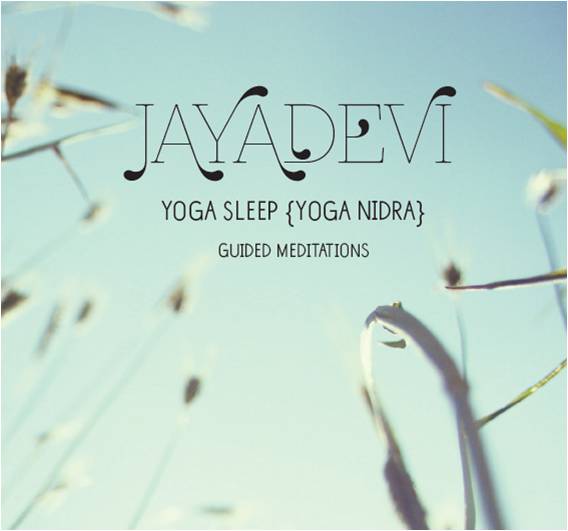
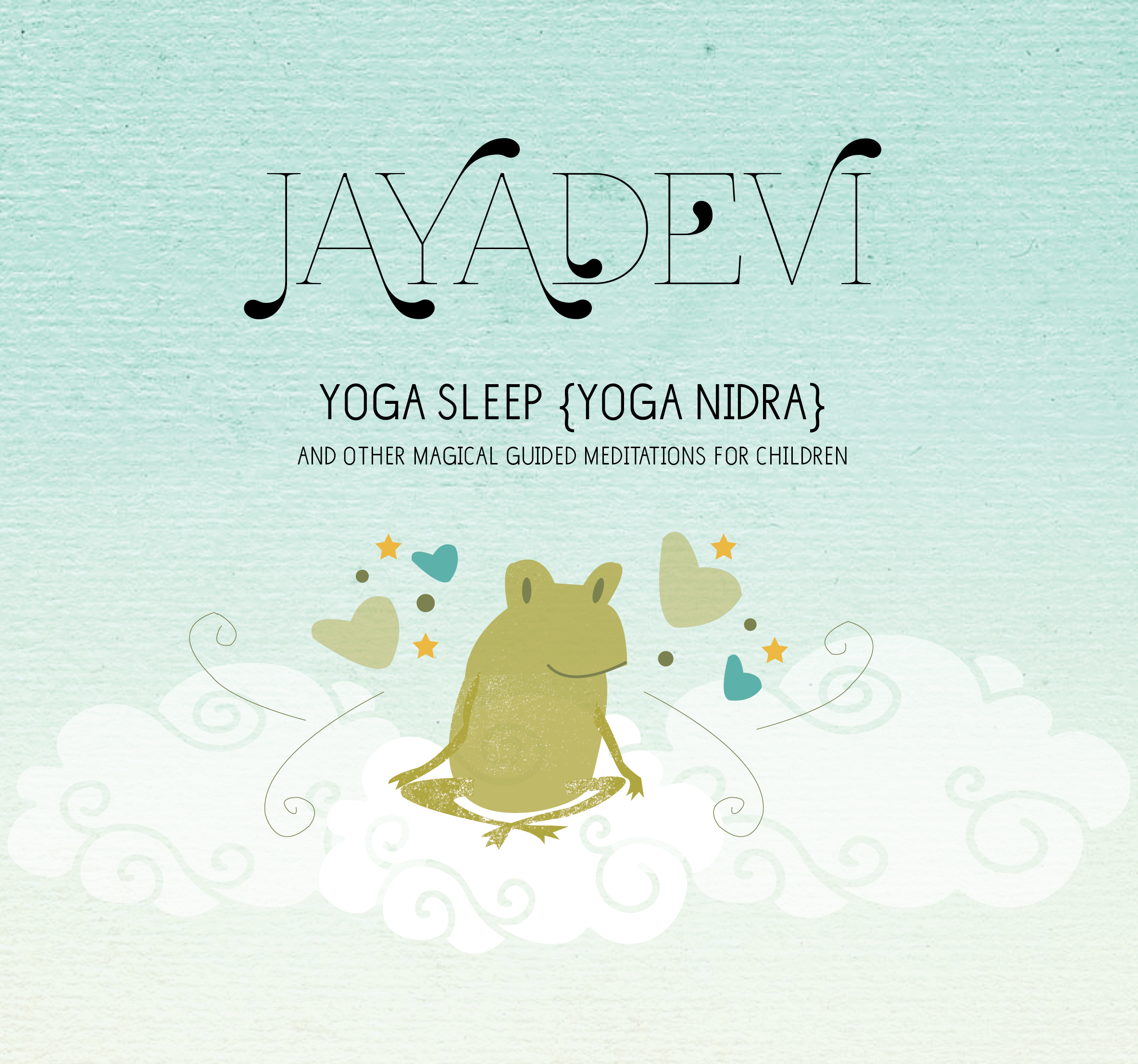
Yoga Sleep (Yoga Nidra) is available on CD and download.  Yoga Sleep is also stocked by iTunes and Amazon.

Yoga Sleep Download          Yoga Sleep Download for Children