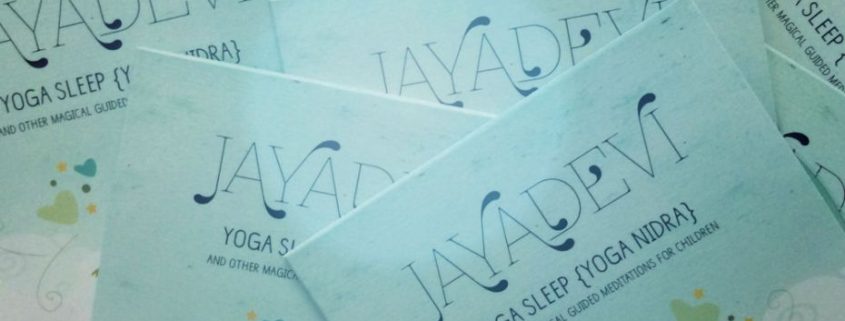
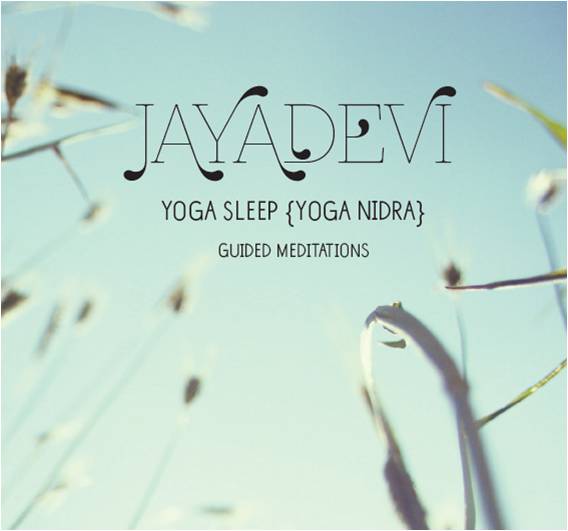
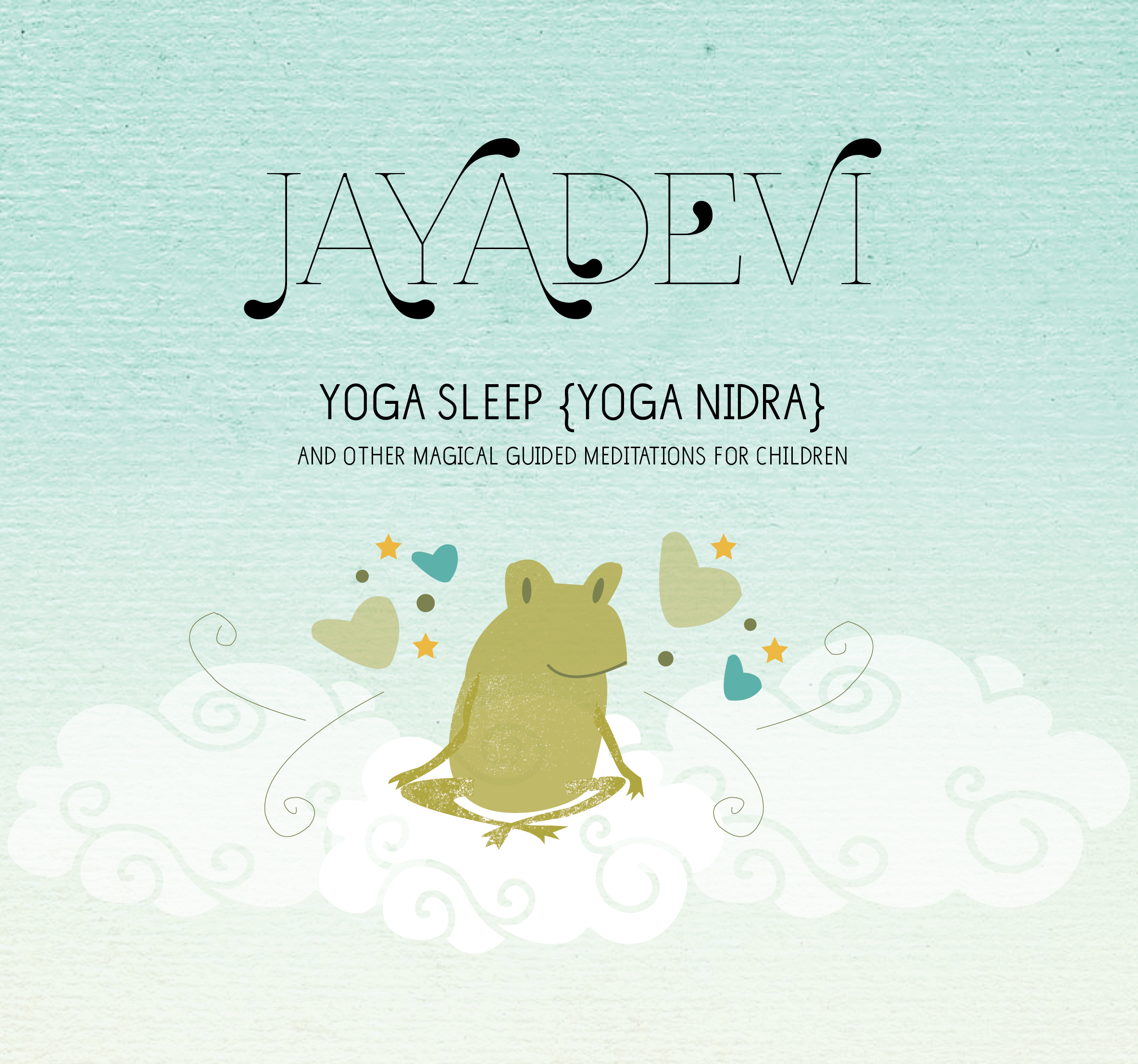
These relaxing meditations are designed to help children relax and sleep more peacefully. Each carefully scripted meditation features a delightful story and is backed by beautiful calming music.

Meditation is a fantastic tool that children can learn at an early age which will help them throughout their lives. Help your child to become more peaceful, to connect with their inner being, learn how truly wonderful they are and help them learn to release stress and anxiety.

Guided meditation can help children focus better at school, improve memory & concentration, improve behaviour, improve relationships, strengthen the immune system and promote inner peace. These fun meditations teach your child self-awareness, encourage them to be themselves and to help build self confidence.

The meditations are completely safe and an effective way to relax your child. The CD can used for general relaxation or at bedtime and is suitable for all children up to the age of 12.

Downloads are now available on iTunes, Amazon and on streaming sites such as Spotify.

Testimonials:

“Thanks so much for these great meditations! I love listening to these and my kids’ favourite is your Starfish meditation. Most nights I find them sleeping with their arms and legs still out when I go to check on them!” ~ CMJ, Canada

“Thank you for this brilliant CD!  Our 5 ½ year old daughter (who has sleep issues due as she is unable to allow her brain to relax) listens to it every night , and it has really help her to calm down at bedtime. For us, we can see a real positive change, and she is often less frantic when going to bed following using the CD, and sometimes she even falls asleep before the end – a real result!!  She has asked me to tell you she particularly loves being an eagle, and asks when are you doing another one!” ~ LR, UK

The Yoga Sleep CD (or “Frog CD” as my three year old son calls it – a reference to the front cover) is a perfect way of winding him down in bed, either at the end of the day, or for one of those increasingly rare daytime naps. It immediately calms him as he adopts the initial pose and closes his eyes as instructed by the gentle voiceover. Having now had it playing quietly in his room probably around half of the nights since receiving the CD, he knows the drill and a combination of the guided meditation and increasingly the association of the CD with bedtime means that I don’t think he’s ever managed to stay awake to the very end of it.  It’s beautifully produced, both in terms of its packaging and the quality of the music and voice recording.” ~ TH, Devon
 Click here for samples and to download.

The Christmas holidays and New Year can be hectic. Searching for the perfect gifts for everyone, completing work in advance of the holidays, Christmas parties, getting all of the food in, preparing food, making time to catch up with friends and family. We can become very frazzled and worn out. This holiday season is a perfect time to unplug from your devices and take a digital detox.

  • Take a Break from your devices

Do you find yourself spending endless hours staring at your computer or device screen? Get lost in endless links and find you have wasted hours surfing the internet. Take a break. Give yourself a rest. Get some exercise. Try yoga and meditation.  Spend some time in silent contemplation.  Spend quality time with friends and family. You’ll feel refreshed, you’ll have more focus, you will feel energised and less likely to become distracted.

  • Turn off your devices for better posture

By switching off your devices for an extended period of time you will begin to notice a better posture. An opening of the front of your body, shoulders moving back and realignment of your upper spine. Your energy will open up, you will interact more naturally with others, you will appear more approachable and you will be more present. This will lead to better eye contact, deeper conversations, a sense of relaxation and great empathy towards others.

  • Not in the bedroom

Winter is the time for rest, rejuvenation, reflection, time to go within and to slow down. It is important not to take devices to bed with you. Looking at screens late into the evening and in bed prevents you from switching off properly and will affect your natural sleeping patterns. The blue light from screens suppresses melatonin in the body which makes us more alert as we are going to sleep. You may find you are getting enough hours sleep but it may not be a high quality sleep. If you normally use your phone as an alarm clock, buy an alarm clock. Over the holidays you may have the opportunity not to set your alarm and allow yourself to catch up on sleep.

  • Have proper conversations to feel more connected

Create bonds with others by having proper conversations. Gain insight into someone’s mind by having conversations. Conversations can be memorable and engaging, you will learn new things about others and yourself. Don’t jump on Google to find the answer, allow the conversation to develop as you explore the answers. It’s a lot more fun!

  • Switch off to improve your memory

Even after a few days without technology, you are more likely to remember obscure details about others. Neuroscientists believe that this is because when people are more present in conversations, their brains are able to process and store new information more easily. With the many distractions of technology, our brains have been trained not to register seemingly insignificant details. These minor facts are actually very important in the process of bonding and learning about other people. Rather than taking endless photographs we can be present and in the moment, taking in the details and using all of our senses to absorb the information. We will have a greater recall of events when we are fully present.

  • Developing New Perspectives

When you are offline for a while, it gives you space to review your career or relationships. You may wish to address your habits surrounding your health, fitness and lifestyle. You can really focus on yourself and discover areas you wish to transform.

  • Get creative

Stepping away from your devices can allow you to find new ways to be creative and achieve a state of flow. This time and space will help original thinking and big ideas. You may wish to try something new such as dancing, singing, making Christmas cards, baking a cake, creating gifts, mindful colouring in, silent meditation. The list is endless, don’t limit yourself and give new things a try!

  • Change your morning routine

Instead of checking your social media or email first thing, write down on paper three things that you are grateful for. Appreciation can make you a happier person and more positive. Doing this evokes positive sentiments, so when you’re feeling low reading over this list can be a great reminder of all the good things in your life.

  • Get outside

Make the most of the great outdoors and lose yourself in green space. A day out without your phone can feel liberating. You will more fully absorb and appreciate your surroundings. Being in a natural environment does wonders for your clearing your mind. Getting out into daylight in winter can really help with our wellbeing and promote a more positive mood.

  • Ask a stranger for directions

Try not to rely on Google Maps for every turn. Asking somebody for directions forces us to engage in human connection. It could put a smile on your face, and theirs – people love knowing they’ve helped someone out. Plus, you could get some inside knowledge of the local area that a screen digital map couldn’t tell you.

  • Eat, drink and be merry… but don’t post it!

Enjoy the festive season. Have fun with friends and family. Experience great food and new places but please resist the urge to post every detail online. Switch off your phone and appreciate the present moment. Being present and mindful will make your Christmas even more memorable.

  • Start a digital swear-jar

To keep your good digital habitats going into the New Year you could start a digital “swear-jar” with friends, family or colleagues. Every time someone checks their phone mid conversation, they have to put money in the digital “swear-jar”.  This really highlights the amount that people use their phones while engaging with others. You can use the collection for a gadget free night out, you’ll be surprised how quickly you’ll raise funds!

Use this holiday period to balance and set new boundaries. Allow yourself to completely rest and rejuvenate. Take the time to gain control over your devices rather than the other way around!

Have wonderfully restful and peaceful Christmas and New Year.

7 yoga books

I was recently asked at the end of class if I could recommend any yoga books for beginners.

Books are an excellent way to learn and to develop your knowledge so here are 7 recommended books for you.

When I first started yoga I remember supplementing my yoga classes with reading by following advice and following the sequences within a yoga book.  It is highly recommended to study with a teacher in person when possible but reading is a great way to explore and develop your practice.

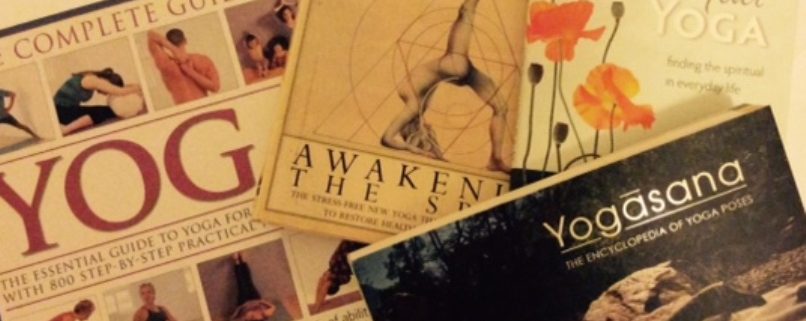
1. The Complete Guide to Yoga by Judy Smith, Doriel Hall, Bel Gibbs

This was one of the very first yoga books that I owned, given to me as a gift by a friend.  This step-by-step guide is a practical, easy to follow book with sequences for everyone.  I liked to dive into this book each morning and get inspiration for my practice particularly as it was all so new to me.   The philosophy and benefits of Iyengar yoga are clearly explained and there is advice on how to begin and what equipment is needed.  There is a chapter on making yoga enjoyable and fun for children.  The guide to meditation is useful giving techniques and tips.

2. The Sivananda Companion to Yoga by Swami Vishnu Devananda

This essential companion for beginners and experienced yoga remains a classic guide to yoga.  The book is an engaging and comprehensive guide to asana, pranayama, meditation, nutrition, relaxation and every aspect of the yogic lifestyle.

Swami Vishnu Devananda trained under Swami Sivananda for many years and one day Swami Sivananda gave him a 10 Rupee Note, and his blessings, to travel to the West and spread the teachings of Yoga.

Living with mind and body relaxed is our natural state, our birthright—it is only the pace of our lives that has made us forget. Those who retain the art possess the key to good health, vitality and peace of mind, for relaxation is a tonic for the whole being, liberating vast resources of energy.” ~ Swami Vishnu Devananda

3. Light On Yoga by B.K.S. Iyengar

B.K.S. Iyengar devoted his life to the practice and study of yoga.  ‘Light on Yoga’ is widely called ‘the bible of yoga’ and has served as the source book for generations of yoga students around the world. It is the classic text for all serious students of yoga.

This classic yoga book gives emphasis on precision and alignment which is important for developing a safe foundation for your practice.  The book includes step-by-step yoga asana guides; a guide to Pranayama, breathing techniques; and an introduction to the spiritual side of yoga practice.

4. Yogasana – Encyclopedia of Yoga Poses by Yogirishi Vishvketu, PhD

This fantastic book presents 850 yoga asanas in a logical sequence enabling the reader to understand the variations for each posture.  The Sanskrit translations allow you to understand the relationship between the name and the spiritual significance of each pose.  Detail regarding the energetic essence of each asana is included through the use of a chakra chart and graphic icons for each pose.

Presented in a clear way which allows you to creatively explore your practice whilst maintaining a safe home practice.

5. Awakening the Spine by Vanda Scaravelli

For more than twenty-five years, until her death at the age of 91, Vanda Scaravelli was transforming bodies and lives with her innovative approach to yoga through the proper alignment of the spine. She listened to the body and worked with instead of against it. She used gravity, grounding, and breath to achieve dramatic improvements in health and wellbeing.  Scaravelli was an early student of Iyengar.

This is not a step-by-step yoga instruction book but a classic inspiring yoga book.  The book features three parts – Part One “The Story of Stories” the philosophy of yoga; Part Two “The Asanas” short exploration of yoga asana and Part Three “Breathing”.

It is inspiring to see the photos of Scaravelli in the Asana section, showing that yoga is for everyone.  She didn’t start yoga until her 40s and the photos in the book are taken in her 80s.  This book is an inspirational reminder as to why you are doing yoga.

Scaravelli reminds readers that: “if you are kind to your body, it will respond in an incredible way.” “Awakening the Spine” offers a gentle way to achieve and maintain overall health and a naturally supple spine at any age.

6. Living Your Yoga: finding the spiritual in everyday life by Judith Hanson Lasater, PhD

I’ve included this book as it examines ways to stretch the meaning of yoga beyond the familiar poses and breathing techniques.  This book explores yoga philosophy and ways to incorporate it into our everyday life.  Judith explains off-the-mat practices to guide you in deepening your relationship with yourself, your family and the world around you.

This inspirational and practical book will guide you in a warm and personal way. Covering topics such as Courage, Relaxation, Compassion, Fear, Empathy, Greed, Truth and many more.  The book includes practice suggestions and daily mantras for each topic.

7. The Breathing Book by Donna Farhi

Breathwork is an important part of Yoga and our overall wellbeing.  This is an easy to read book with step-by-step guides for remembering and re-learning our breath.  The book includes concise information and diagrams relating to the anatomy of breathing and suggested practices for various health issues such as back pain, tiredness, asthma and help to build stamina.

Easy to understand and beneficial for all yogis and non-yogis alike!

This list gives you a taster of yoga books available for beginners.  I hope that it gives you some inspiration.  Why not explore further the wealth of yoga books available to us.  Happy reading!

My summer programme has well and truly kicked in! My diary is packed with yoga retreats, festivals, classes, workshops and writing. I’m in the process of writing an e-course which I will start filming in a couple of week’s time. It’s a really exciting development and I can’t wait to get this course up online.

In my busy schedule I am a making sure that I take time to get out to enjoy the summer. This includes regular walks at the beach, yoga practice, meeting up with friends at local cafes and taking time to catch up on some reading.

Spiritual Ecology – The Cry of the Earth, a book of essays edited by Llewellyn Vaughan-Lee, has just arrived. I’m enjoying dipping into the various essays written by elders from around the globe such as Thich Nhat Hanh, Vandana Shiva, Satish Kumar, Chief Oren Lyons and many others.

This book is important to the survival of humanity. We must reconnect with Mother Earth and treat her as a source of life instead of a resource to be plundered. Everyone must read this book, understand it and live it if we are to leave anything to our children and grandchildren.” ~ Hanne Strong, founder The Manitou Foundation and Earth Restoration Corps

The first essay I have read isIn the Time of the Sacred Places” by Winona LaDuke. Winona is an activist and voice for Indigenous consciousness devoting her life to protecting the lands and lifeways of Native communities. In this essay she talks about the importance of sacred sites and how place belongs to our deeper understanding of spiritual ecology.

For many years I have been interested in Indigenous cultures and their connection to Mother Earth and sacred places.

Since the beginning of times, the Creator and Mother Earth have given our peoples places to learn the teachings that will allow us to continue and reaffirm our responsibilities and ways on the land from which we have come. Indigenous peoples are placed-based societies, and at the centre of those places are the most sacred of our sites, where we reaffirm our relationship” ~ Winona LaDuke, “In the Time of Sacred Places”

The essay highlights a selection of cases where the land has been named and claimed for the empire and desecrated for mineral rights and financial gain. Some cases go back to the 1850s and others are in most recent years for example Eagle Rock, known as “the home of the White Wolf and the High Place”, a sacred site to the Anishinaabe and other peoples for centuries.  Rio Tinto Zinc, a UK based mining company through their subsidiary Kennecott submitted plans to mine the copper deposits adjacent to this sacred site. It has been a seven-year battle and the Michigan regulatory authorities ruled against the tribes, the water and the sacred site, stating that “the site could not be sacred or did not have spiritual significance because a place of worship must be a BUILDING”.

The state, on these grounds approved the mining permit. In response, the leadership of the HoChunk Tribal Court noted, “consultation should include learned tribal members who are the leaders of our ancient societies. Their knowledge spans the time prior to Christianity and Christopher Columbus. It is this understanding that makes who we are. There is no other place where tribal people can gain this understanding….

This is the difference between world views – where one society, an industrial society, views a rich ore body, and another society views this as a source of great spiritual and cultural wealth.

It has been a seven year battle for the sacred site and now a petition to the United Nations for intervention under the declaration on the Rights of Indigenous Peoples to not only protect their sacred sites but to be protected from minerals exploitation which will destroy their life ways. A separate petition to the United States Environmental Protection Agency, by the National Congress of American Indians requests, “that requirements be imposed on Kennecott Eagle Minerals to mitigate the negative aesthetic impact of the proximity of the mining operation to Eagle Rock and that members of the various Native American communities be provided unfettered access for traditional use of the sacred ceremonial place”.

The Anishinaabe and their supporters who care for this land and do not wish to see the threshold of the world’s fresh water poisoned, have continued to gather and pray at and near Eagle Rock – amidst its strength and in the face of greed and destruction.

We can learn much from these Indigenous peoples and these cases illustrate how far we need to go in order to restore the health and wellbeing of Mother Earth.

I’d highly recommend Spiritual Ecology and I’m looking forward to diving into the other essays within the book.

Visit my Events page to find out What’s On over the summer.

Sign up to my monthly e-newsletter here for updates, events, blog posts and a free monthly meditation download.

The reasons people choose to go on a yoga retreat are many but here are some of the popular reasons:

  • Deepen your practice

And you? When will you begin that long journey into yourself?” ~ Rumi

Developing your practice can be challenging especially when you have a busy life and schedule.  Being on retreat gives you the chance to attend 2 classes per day, you will notice the progress and the positive effect this is having.  Distractions are limited so you can be sure that you fully focus.

I have had the honour to teach retreat guests who have only ever attended one yoga class before going on retreat choosing a retreat setting to begin to explore their practice, through to the more experienced yogi who seeks the space to focus more intensely.

  • Create a new perspective

The trees, the flowers, the plants grow in silence. The stars, the sun, the moon move in silence. Silence gives us a new perspective” ~ Mother Teresa

We all benefit from going to a new place, seeing the world and ourselves through different eyes.  You will have time to contemplate, to review what is out of balance and where you need to action change in your life.  This safe space will allow you to grow and learn.

  • Navigate life changes

It’s a good idea always to do something relaxing prior to making an important decision in your life” ~ Paulo Coelho, The Pilgrimage

Life is in constant change, some of which can be challenging.  A retreat allows you to step outside of your everyday life, to gain deeper understanding and create clarity.

It may be that you consciously decide to attend a retreat in order to work through change in your life or the outcome of a relaxing retreat may be a new perspective which leads to change.

I know for me personally, attending yoga retreats has enabled me to make big life changing decisions, to feel supported in that space and to know that I had the courage to make the changes I was being called to make.

  • Time to meditate

In meditation we return to where we already are – this shifting, changing ever-present now
If you wish to take up meditation, it must be now or never.” ~ Steve Hagen, Meditation Now or Never

You will be away from distractions, feel relaxed and ‘in the moment’ leading to a peaceful space in which to develop your meditation practice.  This is a perfect time to develop new habits.

  •  Take a digital detox

Spending the majority of our waking lives experiencing reality through a screen, endlessly plugged into our devices, is taking its toll… and we’re realising it’s not the answer. The era of burnout, multi-tasking, tech dependence, fatigue, ‘social media everything’ and information overload is coming to a close” ~ thedigitaldetox.org

By switching off your technology you can find space and balance.  You can evaluate your relationship with technology and develop a more balanced approach.  Understand that you can press pause, reconnect with yourself and those around you, saviour your life experiences and feel recharged.

  • Rest and Relax 

Turn off your mind, relax, and float downstream”  ~ John Lennon

On retreat you have the permission to fully relax.  You can tune into your body, rest when you need it, allow your body and mind to de-stress.  You are free to replenish as you wish, you are free from demands.

  • Eat well

Let food be thy medicine, thy medicine shall be thy food” ~ Hippocrates

All of the hard work is done for you, you will enjoy nutritious and delicious meals.  It is an opportunity to review unhealthy habits and to develop new behaviours.   Healthy food, yoga and rest will re-energise your batteries and assist the body’s healing process.

  • Make new friends. 

Every person needs a time out, away from stressful jobs, pressures from employers or clients, home responsibilities….  Everyone deserves to enjoy, visit unknown places, try other things, meet a lot of new friends, and feel at the top of the world. Life is full of fun, excitement, and adventure. Thus, vacation is an experience that’s worth remembering for a lifetime. It heals a weary mind and soul”  ~ Alon Calinao Dy

You may travel as a group or solo but it is guaranteed that you will meet like minded people on retreat.  Retreats are perfect if you are travelling alone, you have the choice to spend time with others or enjoy your own space if you wish.

I have met lifelong friends on retreat including my Aloha Yoga collaborator, Jackie Dorrian.

 “Little did we know that 4 years after meeting on a Yoga Retreat in Kerala that our lives would be completely different and we would be working together to deliver “Aloha Yoga Retreats and Workshops”. Whilst we teach different yoga styles and our therapies are from different parts of the world, we have common aims and our work complements each other.  We have some exciting plans in the pipeline including a Summer Retreat on Dartmoor, Music Festivals and a Retreat in Spain.” explains Jackie.

  •  Who needs any more reasons? 

Seriously no-one needs to justify going on a yoga retreat.  Why not book a retreat and experience the benefits for yourself!

 “This is my first yoga retreat experience, and it has been simply wonderful. Super location, fabulous company, great food and beautiful guided meditation and yoga. Opened my eyes to new possibilities and practices. Amazing. Peace and Love” ~ Aloha Yoga Retreat 2013 Guest

 

I love it when students ask me questions, hopefully I can open the door to a greater understanding of yoga.  Questions help to keep my ideas fresh and prompt me to look at things from a different perspective.   Obviously I will not know the answer to every question but I will seek out answers so that we can all learn and grow.

I would say that the most common question I get asked is how to practice at home and how to develop a self-practice.

Here are a few tips to help you develop your self-practice:

Create the time – My advice would be to introduce say 5 – 10 minutes of practice to your day preferably at a regular time.  It is helpful to get into a regular pattern, for me I prefer first thing in the morning.  This means that I have created the space in my day, things don’t always go to plan in the day so I find if I practice first thing problems during the day do not affect my practice.  Start with 5-10 mins, you will notice the difference to your wellbeing fairly quickly and you will have no excuses to free up this time in your busy day.  You will find over time 10 minutes will expand into 30 minutes and then into one hour.

One thing I learnt at the Sivananda Ashram was that I waste a lot of time in my life.  At the Ashram we had a fairly hectic schedule with barely 5 minutes to spare but I learnt to use those fleeting spare moments to do my hand washing, to fit in some extra study, to enjoy the gardens, to have some time to reflect.  I am sure that if you look at your life there will be somewhere that you can save some time to create this space for you.

Keep it simple – Start by introducing Surya Namaskara (Sun Salutations) into your day.  I know when I started to deepen my practice many years ago, I realised that a daily practice made me feel so much better, more centred and more alive but I was inconsistent.  Keep it simple and develop your practice over time.  Nothing is ever perfect so try not to expect your practice to be “perfect”.  You will be surprised by how much you already know.  Have fun and experiment with your practice.

Listen to your body and heart – Develop your self-awareness,  may be you get on your mat and do not feel like focussing on your asanas.  Your body and heart may be telling you to focus on your breath or on meditation.  That is 100% ok.  Remember to be present, be mindful.  Just come to your mat and dedicate your time to your practice and to you.

Our yoga space – You may resist developing your practice as you do not have that “perfect” yoga space.  Yes I’m sure a special dedicated space would be wonderful but remember to make a space within the resources you have available.  For me, I practice in my living room.  I roll my mat out each morning in this space and at certain times of year the sun baths the room in golden light.  This room is energised by my practice,  I notice that visitors love this space and the plants in this room are pretty abundant too!

Inspiration – take time to work on the things that challenge you or certain asanas where you know you have some resistance.  Generally the things we resist are the things we need to focus on!  Mix things up to bring new perspective and inspiration.  I will sometimes follow online classes to try different teaching styles, to be guided through my practice or just to try something new.

Don’t beat yourself up! –  Ok so you didn’t do your practice today, for the last week or month, for the last few months…  Today is another day, you can start again.  Don’t worry about what you haven’t done, promise yourself that TODAY you will get back on that mat, focus on the moment and look forward rather than beating yourself up with what you have not achieved.

Practice your yoga in your everyday life – This is the key, yoga is much wider than our practice on our mat.  Be conscious and aware throughout your day.  Perhaps you could react in a different way during a work situation; practice karma yoga (selfless service) giving back for no particular personal gain; practice patience and adjust your relationship with time; check in with yourself to be more mindful and present; use your breath in those stressful moments; sink a little deeper and when you want to quit because something is too hard, keep going.

Developing your self-practice is a great way to complement regular classes and you can fit this into your diary at a time that suits you.  Make time with yourself and follow your inner guide.   Most importantly have fun!

So why wait, roll out your mat and dedicate some time to your practice and yourself.

YTT

You may be getting a calling to book a Yoga Teacher Training Course.  Maybe you don’t want to be a teacher but you would like the opportunity to explore your practice more deeply or perhaps you would love to teach and are looking for a suitable course.

Here are a few useful steps to help your decision making process.

Set Your Intention

Are you seeking an experience to transform your life and take you overseas to immerse yourself in the training?  This may be an opportunity to step outside of your regular life, travel for your training and add travel adventures to your experience.

You may have a particular yoga style you would love to teach.  Research teacher training offering this particular style and explore the course content.

Studying and building connections in your local community may be your intention.  This is a wonderful way to make new like-minded friends in your community, get to know local teachers and find your roots in a supportive local community.

You may have aspirations to train with a particular teacher that has inspired you and you can seek out where they are hosting teacher training course.

Find out more about the programme

Ensure that you do your research as you are investing into this course and need  to make sure it is right for you.  Ask what lineage the training comes from.  Understand the learning objectives of the course and what skills you will learn.  Seek out testimonials and ask previous students for their feedback.  What does the course structure look like and what does a typical day look like.  Find out the finer detail in terms of course content and topics covered.  Who is teaching on the course and find out more about the teachers.

What is the best structure for you?

This is likely to be decided by your lifestyle, personal circumstances and learning style.  A year-round, one weekend a month structure may suit you if you have family and regular work commitments.  This may suit you if you prefer to learn over an extended time period in order to integrate your learning.  Alternatively you may prefer learning in an intensive format and can find 4-6 weeks in your schedule to attend an intensive course.  There in no right or wrong way here, it is all about personal choice.

Spend time doing your research and consult with others to fully discuss your thoughts.  It is important to remember this is the start of your yoga teacher training journey.  Dive in and fully enjoy the experience but know that it could be the first of many.  Your training needs may vary and develop over time so this is your first step on your journey.

Here are a few hand-picked Yoga Teacher Trainings:

Either I have attended these courses myself, studied with the teachers, know the teachers delivering these courses or have received excellent recommendations from students that have attended.

DEVON

Devon School of Yoga
Devon School of Yoga was established in 1989 and offers a broad and comprehensive Yoga Teacher Training course.  The school has a mix of teachers in the faculty with a broad range of skills and experience.

Sheila Coombes in Kingsbridge
Sheila offers a comprehensive in-depth curriculum with several levels of training available.  You will study asana, pranayama and learn ways of engaging your students through careful class planning.  The group provides the opportunity for discussion around the shared teaching experience.

LONDON

Akhanda Yoga YTT in London/Rishikesh
Yog Sundari offers a unique opportunity to study in the UK over 8 weekends and one week of study in Rishikesh.  This holistic Yoga Teacher Training will give you a strong foundation, a wider understanding of yoga and the opportunity to deepen your practice.

Scaravelli Inspired YTT
Intelligent Yoga Teacher Training is led by Catherine Annis and Tanya Love.  This course has been created to develop knowledgeable, responsive and confident teachers who teach yoga based on a solid understanding of the fundamental workings of the body and an appreciation of its natural intelligence.

OVERSEAS

Yoga Arts in Bali and Australia
Yoga Arts has been dedicated to training Yoga Teachers for over 24 years and is passionate about providing a high standard of teacher training.  Ultimately the objective of the Yoga Arts’ trainings is to train participants in quality, professional, safe and knowledgeable teaching skills and to offer, the teacher to be, as many available teaching tools as possible so that their teaching can be available to everyone. Most importantly, to bring about self responsibility, self understanding, spiritual maturity and awakening to the student.The Yoga Arts’ trainings prepare the student on an inner reflective level to move towards a spiritual maturity and self-understanding.

Akhanda Yoga in Rishikesh
Train in the birthplace of Yoga with Himalayan Master Yogrishi Vishvketu at the uplifting east-meets-west Anand Prakash Yoga Ashram. Let us guide you to become a radiant and inspired holistic yoga teacher!  Akhanda Yoga emphasises a balanced class including a full repertoire of yoga techniques sequenced artfully to align the layers of self.

Frog Lotus Yoga Teacher Training in Spain
The style that is taught at the Frog Lotus Yoga Teacher Training Course in Spain is a joyful, creative and intelligent vinyasa flow style which can be easily adapted to different levels. At the end of the Yoga Teacher Training Spain you will not only be qualified to teach vinyasa flow yoga but will also have the tools to create other styles of yoga classes, such as more basic hatha, prenatal and restorative yoga.

Happy researching and enjoy your yoga journey!

Self-care is not selfish or self-indulgent.  We cannot nurture others from a dry well.  We need to take care of our own needs first, then we can give from our surplus, our abundance.” Jennifer Louden

Life can be busy, demanding and stressful.  With ever increasing demands from work, family obligations and life in general, we may feel the consequences of not taking adequate care of our physical, mental or emotional health.  We can end up feeling drained, depleted, stressed and out of control.

For some, self-care may seem like an impossible luxury.  You may be running at a thousand miles an hour, never catching up and the thought of self-care may even seem selfish to you.

Self-care is not a luxury, it is ESSENTIAL.  We cannot operate from an empty vessel so ignore any warning signals from your body, mind and spirit at your own peril.  If we do not take the time to fill up our vessel, we will have far less to offer others including those closest to us.

If self-care is being avoided, your body-mind-spirit will start to flag up this lack.  Initially the signals may be subtle but if ignored, over time, the messages will get louder and louder.  You may experience anger, frustration, fear, impatience, lack of energy, illness or injuries.

The key is to understand when we feel unbalanced and to identify self-care strategies that work for you.  We need to understand what helps to restore and nourish us.  This may be different for each individual but developing your self-awareness can help identify what works for you.

Here’s a list of self-care activities.  See what resonates with you and add anything that makes your heart sing.  We have a deep inner knowing so take the time to connect with your heart to understand what your body, mind and spirit are calling out for.

  1. Eat healthy fresh foods – Plant based foods or those closer to the sun (less processing) will have greater energy and health inducing qualities.  Eating a nutrient packed diet can help you be more productive, reduce stress, ensure that you are healthy and help you to live longer.
  2. Get sufficient sleep each night – The recommendation is 6-8 hours per night and make sure that you switch off devices several hours before bedtime as the artificial blue light affects your circadian rhythms and melatonin levels which can disrupt the quality of sleep.
  3. Take regular exercise – Find something that you really enjoy and commit to it on a regular basis.
  4. Get outside – Sunshine and sunlight are hugely beneficial for our health and wellbeing.  Sunlight can help with the production of Vitamin D which the body can store for about a month.  Regular exposure to sunlight, particularly in the winter months, enables the body to maintain levels of Vitamin D.
  5. Maintain your social networks – Social support and social interaction have a positive influence on our physical and mental health. It helps lower stress, depression, anxiety and also highly affects our endocrine-immune system.  We are social animals so positive social interactions are hugely important.
  6. Laugh! – There’s nothing like a deep-rooted belly laugh.  Laughter is known as the best medicine.  It can help lower blood pressure, reduce stress hormone levels, improve cardiac health and trigger the release of endorphins.  No wonder it feels so good!
  7. Meditate daily – Developing a daily meditation practice can be hugely beneficial.  Your life will become calmer and clearer, it helps to lower blood pressure, helps to reduce stress, your mind becomes clearer, you will be able to achieve more and you will feel amazing!  You may feel that you don’t have the time to meditate but start off with 5 minutes and increase your practice over time.  You will find that extra time will open up for you as you deepen your practice.
  8. Get a massage – A soothing massage can help you unwind.  Massage is known to help with reducing stress, pain and muscle tension.  It’s a perfect way to dedicate some time to yourself in order to replenish and nourish.
  9. Cultivate hobbies – A hobby is an activity that you enjoy.  Hobbies can enhance your well-being and give more meaning to your life.  It’s a chance to connect with ourselves and to explore our creativity.
  10. Develop mindfulness – Mindfulness is developing a moment-to-moment awareness of our experiences without judgment. Mindfulness can help reduce stress, improve focus, decrease emotional reactivity, improve empathy and compassion and promote a better quality of life.

Go ahead and find out which self-care strategies work for you.  These may change over time but make a start.

Here’s a gentle reminder: Take care of yourself today.

Taking good care of YOU, means the people in your life will receive the best of you, rather than what’s left of you.” ~ Carl Bryan, Tennis Coach

Self-care is a divine responsibility” ~ Danielle La Porte

Sign up to my monthly e-newsletter here for updates, events, blog posts and a free monthly meditation download.

sleeping in the heat

In order for us to get a good night’s sleep, we need to lose around 1C of our internal body temperature, which sits around 37C.

We typically lose that through our head or face, which pokes out of the duvet.

If you’re sleeping in a room which is too warm, your body’s core temperature is unable to lose that heat and your sleep will be disturbed.

If our sleep becomes so disturbed that we are sleep deprived, we will see greater ‘sleep intensity’, which leads to greater brain activity. The heat can increase our chance of intense dreams and nightmares due to the greater brain activity.

Source: Dr Neil Stanley, former chairman of the British Sleep Society.

How To Keep Cool:

> Use cotton sheets
> Freeze your hot water bottle and stick it in your bed a little while before you go to sleep
> Take a cool shower before bed for a quick and easy way to cool down
> Point your fan towards and open window to push out the hot air
> Freeze a bottle of water and place it in front of your fan to cool the air. It should last all night.
> Turn off all the lights
> Unplug your devices and don’t charge them while your sleep.

Still needing rest? Join me for Yoga Nidra on Sat 21 Jul, 10.30am-12.30pm at Lotus Loft, Exeter.

Book via this link >>

Do you feel stressed, anxious, suffer from poor sleep patterns? Do you wish to de-stress, find balance between your mind, body & spirit?

If so, why not come along to my Yoga Nidra workshop on Sat 31 May, 10.30am-12.30pm at Lotus Loft Yoga Studio in Exeter. Complete beginners welcome, you will be fully guided so no experience necessary.  Feel free to contact me if you have any questions.

How Yoga Nidra can help:

  • Slow down body metabolism and allows deep rejuvenation.
  • Enable the relaxation of the entire muscular system brings relief to aches and pains caused by body stiffness and over exertion.
  • Slow down the heart and breathing rates helping to reduce blood pressure.
  • The endocrinal (glandular) system, which coordinates all the body’s functions and which becomes constantly overused and abused in the course of our daily activities (especially the adrenal glands in their response to anxiety), are given a chance to recuperate and normalise bringing them more into balance.
  • Improve the quality of your sleep and can act as an antidote to insomnia.
  • Reduce stress levels in the body which helps to release deep seated anxieties in the mind.

Here’s some feedback from a student that attended a recent Yoga Nidra workshop.

It was lovely meeting you and the workshop really was incredibly special, needless to say I spent most of Saturday in a blissful state, almost not knowing what planet I was on!! On Sunday, I had so much energy, I was able to walk for several miles (the weather was so amazing too). I feel so much more positive about life..thank you so much. I love your meditation cd too, I have been playing it every night…and also trying to fit in some yoga practice!” JY, Devon

Remember to book early as these workshops do fill up and I quite often have a waiting list.

Contact me for further information info@juliebladon.com.

Yoga Sleep (Yoga Nidra) is available on CD and download.  Yoga Sleep is also stocked by iTunes and Amazon.

Yoga Sleep Download          Yoga Sleep Download for Children