
The Creative Act – A Way of Being Review: A Guide to Unlocking Your Inner Artist

There are books that teach you how to create, and then there are books that remind you why you create in the first place. The Creative Act by Rick Rubin falls firmly into the latter category, a soft, steady voice in a noisy world, gently guiding you back to your own creative instincts.
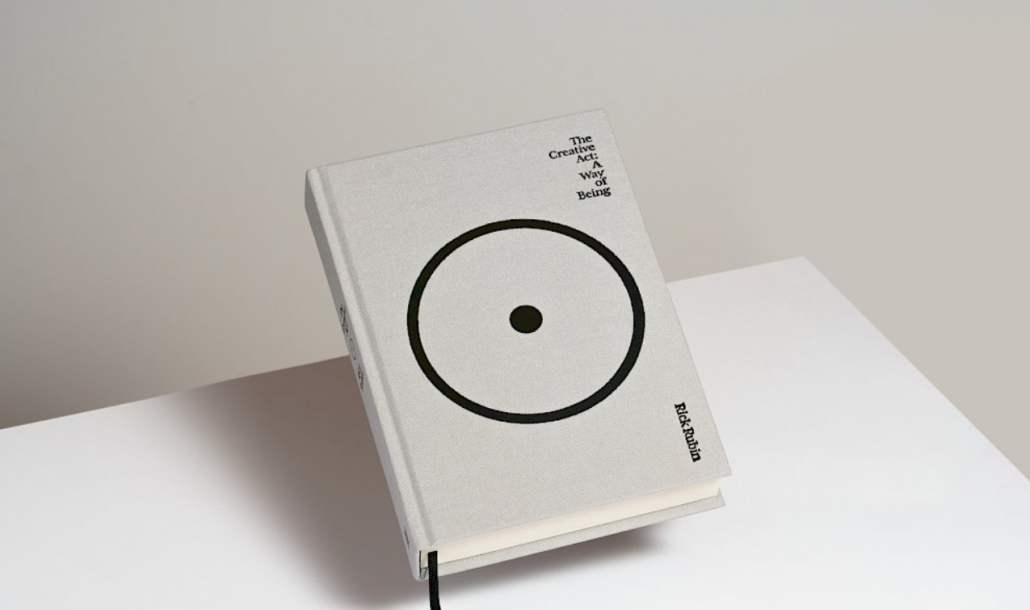
This isn’t a traditional “how-to” guide filled with rigid frameworks or productivity hacks. Instead, it feels like a collection of meditations on creativity with short, poetic reflections that invite you to slow down, pay attention, and reconnect with your artistic self. If you’re searching for a creativity book that nurtures your creative mindset, sparks artistic inspiration, and supports personal growth, this one stands out.
Reading it feels less like consuming content and more like having a conversation with a creative mentor. Rubin doesn’t position himself as an authority handing down rules. He shows up as a creative cheerleader, encouraging, patient, and deeply understanding of the struggles that come with making something meaningful. Whether you’re dealing with self-doubt, overcoming creative block, or battling perfectionism, the book meets you where you are.
One of the most powerful aspects of The Creative Act is its simplicity. Each passage is concise, yet layered with meaning. You might read a page in under a minute, but find yourself reflecting on it for hours. It’s a book you don’t rush as you return to it, revisit it, and let it evolve alongside your own creative journey and self-expression.
In the book, Rubin emphasises presence, awareness, and openness. Creativity, he suggests, isn’t something you force, it’s something you allow. This perspective is particularly refreshing in a culture obsessed with output and productivity. Instead of pushing you to “do more,” the book encourages you to “notice more.” That subtle shift can be transformative for artists, writers, and anyone seeking deeper artistic inspiration and a healthier creative mindset.
You don’t need to be a professional artist to benefit from this book. Whether you’re journaling, designing, building a business, or simply trying to live more creatively, the ideas resonate. It speaks to the human desire for self-expression and the need to stay connected to the creative process.
If there’s any limitation, it’s that readers looking for concrete, step-by-step techniques might find it too abstract. But that’s also its strength. The Creative Act isn’t about formulas, it’s about perspective. It doesn’t tell you what to create; it helps you remember that you already can.

Ultimately, this book feels like a quiet companion. It doesn’t demand your attention, it earns it. It doesn’t overwhelm, it reassures. And in doing so, it becomes something rare: a book that doesn’t just inspire creativity, but gently sustains it over time while supporting long-term personal growth.
If you’ve been feeling disconnected from your creative energy, this might be exactly what you need, a reminder that creativity isn’t lost. It’s just waiting for you to notice it again.